As much as I hate to admit it, Fortinet is more than just “those guys who bought Meru.” In fact they are way more than just a wireless company. As we already know, Fortinet is best known in the industry as a security company with a rock solid reputation. The truth is, Fortinet is a true end to end solution, beginning with their FortiGate, moving through their switching, and into their wifi.
Fortinet’s wireless solution is broken into three distinct management platforms; FortiGate, FortiCloud, and controller (WLC). Check out one of my blog posts from earlier in the year where I broke down the differences here.
Until recently I had been mostly unfamiliar with anything but the controller solution which is built on the legacy Meru product. As most of you already know I have an affinity for the FortiRu product line which goes beyond the controversial Single Channel Architecture. The hardware is rock solid and it seems as though their code is a lot less buggy than what I hear from customers of other vendors. The cloud managed solution also seems to be a very viable solution as it chugs along in the lab at my house. This is of course a far cry from a true enterprise deployment but from what I know it seems to be reliable. Compared to other cloud managed competitors who have been around awhile, the one downside to Fortinet’s cloud managed solution is it could stand to be somewhat more intuitive during configuration. In Fortinet’s defense, it is hard to stay unique, not re-invent the wheel, and yet remain intuitive in an already saturated cloud managed playing field. The third management option is via a FortiGate. In all honestly, I have not tried this method before so I shouldn’t comment until I am more familiar. I have been graciously provided a FortiGate 81E as well as FortiSwitch 108E to check out but haven’t had the time to dive in yet.
Those who aren’t familiar with Fortinet should pay very close attention to their licensing platform. Aside from a select few products, THERE ISN’T ONE! You don’t need to sift through confusing price lists to find licensing for APs, firewall features, etc because there are no additional licenses required to operate the equipment you bought! If there is one thing that sticks in the craw of IT professionals these days, it is licensing that needs to be considered for what seems like every single feature/widget that comes with “Box X.” Not only do you have to think about the confusing and cumbersome licensing when you purchase “Box X,” you have to deal with it each time those licenses come up for renewal. Not with Fortinet! Reliable hardware, mostly stable code, and no licensing should move Fortinet onto your short list for consideration the next time you are evaluating equipment for your next purchase, and give you comfort in it’s potential to be a that true end to end solution.
Check out the following videos from our visit with Fortinet at MFD3 below.
Fortinet Company Introduction: From Security to Wireless with Chris Hinsz
Fortinet Portfolio Overview: Access Points and More with Chris Hinsz
Fortinet FortiGate as a Wireless Controller: Bringing the Security Fabric to the Edge with Koroush Saraf
Fortinet FortiGate Demonstration with Koroush Saraf
Fortinet Wireless Analytics: Birthed in Retail, Applicable to Everyone with Koroush Saraf
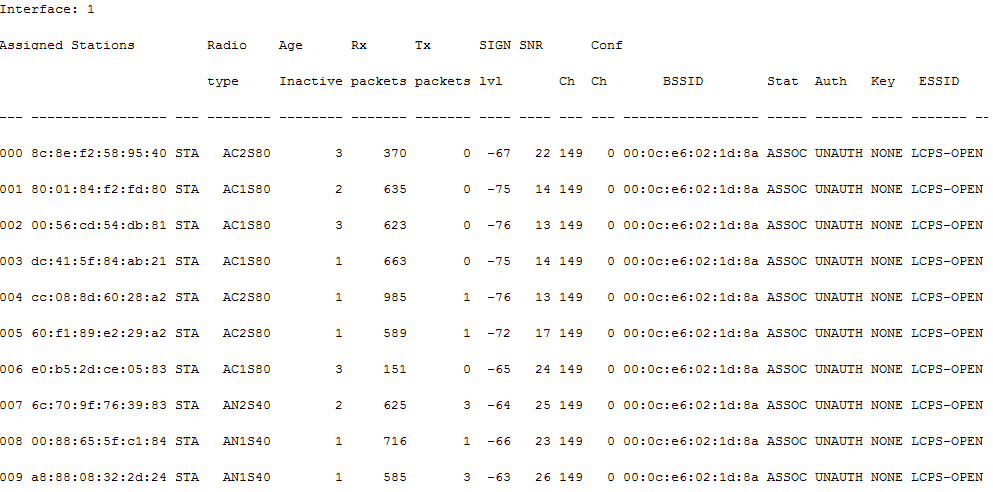
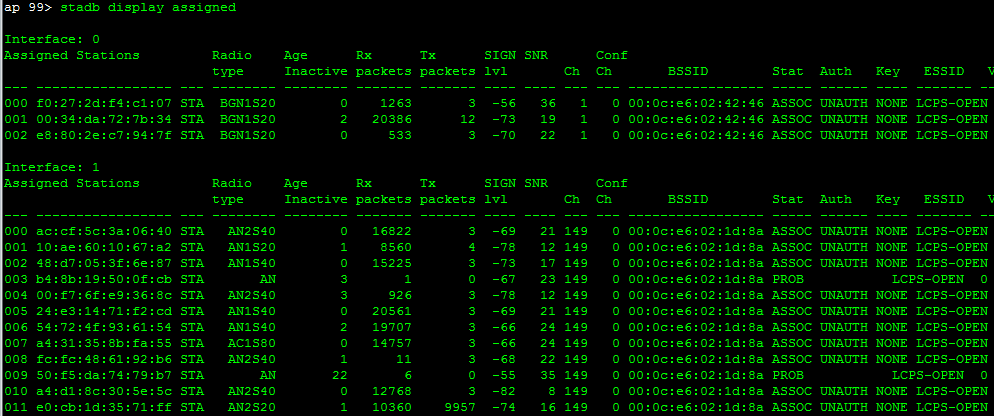
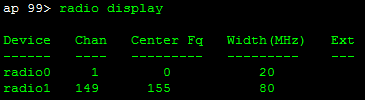
For those who lived through the Meru presentation a few years ago at Wireless Field Day 5, many were left with questions about Single Channel Architecture. This year Ted Fornoles gave a brief presentation on how the “special sauce” behind Single Channel Architecture actually works. Ted is one of the last remaining “Original Gangsta” Meru guys left within Fortinet. More time could have been spent here but overall the presentation was great. Although no questions were asked, there were still some skeptics in the room. I know it works, Fortinet knows that it works, but there are some out there who will always refuse to accept SCA as a viable, scalable option regardless of what is said. I stick to my original position on Fortinet’s publicity of Single Channel Architecture. If you aren’t already familiar, check out a blog post from earlier in the year here. I wish there was more talk about SCA from Fortinet’s camp as their silence gives off the appeal that they don’t have confidence in Single Channel Architecture going forward. Even though SCA has been around for several years now, and is getting somewhat long in the tooth without further advancement, there has to be something Fortinet can do to bolster the SCA solution and make it a heavy hitter in future wireless adaptations. Check out Ted’s video explaining Single Channel Architecture below.
Fortinet Virtual Cell & Single Channel Demystified with Ted Fornoles
A Very Special Thanks
As many of you know I use FortiRu gear to provide wifi to 100,000ish students and staff every day at Loudoun County Public Schools. Before I worked for LCPS, I installed and configured FortiRu wireless gear for a VAR. Pretty much my entire wifi career has been based around FortiRu wireless networks and more specifically Single Channel Architecture. Over the last several years working with FortiRu, I have had the chance to build many relationships with people who work(ed) for Meru/Fortinet. Three fellas of note within Fortinet SWAT (TAC) I work with on a regular basis are Kaushik, Harish, and Vikas. These guys are always available to help me and I often feel bad for interrupting their day by not going through the traditional methods of seeking help, such as submitting a ticket or calling support. They go out of their way to make sure I get the assistance I need as quickly as possible. I can’t say enough about these guys as they have truly made a positive impact on my wifi career. Without them, the success I have had would not have been possible. While at Mobility Field Day 3, I had the chance to meet Harish and Vikas in person. It was great to shake the hands of these terrific engineers and thank them in person for all that they do to support me. Again, thank you very much Harish, Kaushik, and Vikas. You guys are huge assets to Fortinet. I hope they know how great you guys are!

Another special word of thanks goes to Paul Lambert. I met Paul via Marcus Barman a couple years back. Paul has been an invaluable asset to me as I strive to provide fast, reliable wifi to 80,000 concurrent devices at peak every day. Paul is also one of the very few “Original Gangsta” Meru guys left at Fortinet. Paul spends most of his time on the security side of things these days but he is still one of the most knowledgeable people in the world (aside from Dr. B.) on Virtual Cell.